What is the lifespan of automatic chicken cage systems?
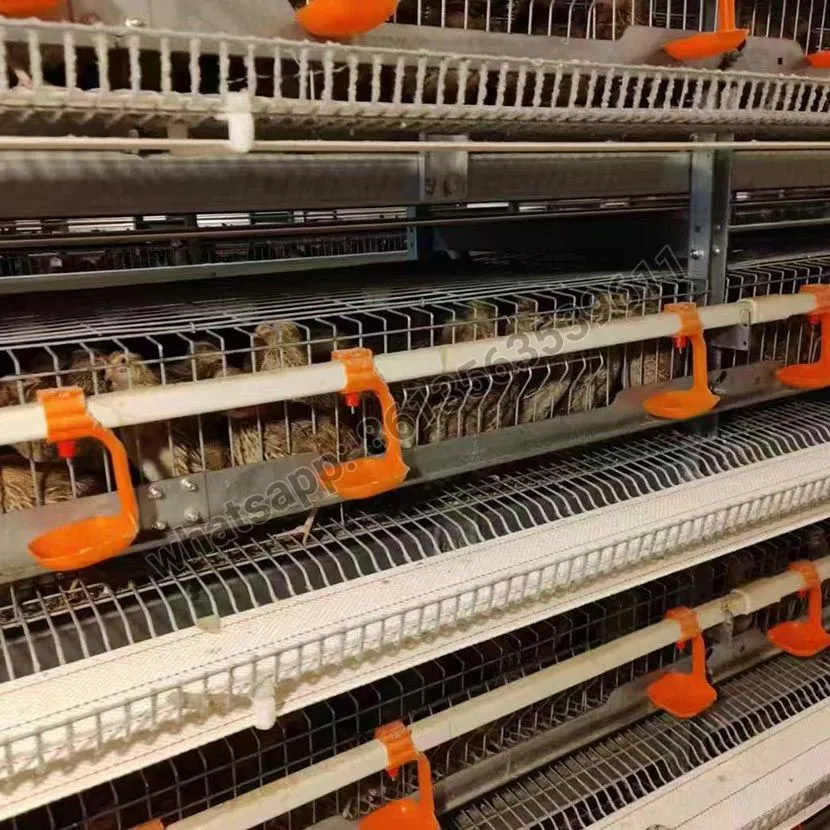
Automatic chicken cage systems have revolutionized poultry farming by streamlining the process of raising chickens for egg production and meat. These advanced systems utilize technology to automate feeding, watering, and egg collection, significantly enhancing efficiency and productivity. For farmers, the practical application of Automatic Chicken Cages translates to minimized labor costs, improved animal welfare, and optimized space utilization, ultimately increasing profitability.
The concept of automatic chicken cages has its roots in the growing demand for efficient poultry farming solutions dating back to the mid-20th century. Initially, farmers relied heavily on manual processes, which were labor-intensive and led to inconsistent outcomes, such as in egg collection and overall flock management. As poultry farming expanded, especially in regions such as Asia and North America, the need for more advanced methodologies became clear. Companies like Luyou Jishun emerged, providing high-quality automatic chicken cages designed to address these historical inefficiencies through innovative technology.
The significance of automatic chicken cages lies in their practical utility. By employing these systems, poultry farmers can monitor flock health and performance with precision. For example, an advanced automatic chicken cage system can achieve precision within 0.01mm for feeding measurements, ensuring that each bird receives the optimal amount of feed, which can lead to a 30-50% increase in egg production rates. Moreover, with 24-hour monitoring capabilities, farmers can receive real-time data and insights, allowing for timely interventions and enhancing flock welfare.
However, there are common misconceptions related to the lifespan of automatic chicken cage systems. Some farmers erroneously believe that these systems require frequent replacement, leading to hesitancy in investing. In reality, the lifespan of properly maintained automatic chicken cages can extend to 15-20 years, depending on the quality of materials and specific usage conditions. Many systems are designed to meet industry standards such as ASTM and DIN, which further guarantee durability and long-term performance.
Case studies highlight how farms adopting automatic chicken cage systems have thrived. For example, a large-scale poultry operation in Texas reported a 40% reduction in labor costs and a significant increase in overall productivity after implementing Luyou Jishun’s automatic chicken cages. Such evidence showcases not just the longevity of these systems but also their transformative impact on farming operations.
Summarizing the core points, automatic chicken cages represent a critical innovation in the poultry industry, offering solutions that address labor inefficiencies and improve productivity. Farms adopting these technologies can expect robust performance and longevity from their investment, typically ranging from 15 to 20 years with proper care. Whether you are an established poultry farmer or just starting, exploring the benefits of automatic chicken cages could lead to significant financial gains and enhance the overall welfare of your flock. For more information, consider diving deeper into the specifications and advantages of systems like those offered by Luyou Jishun.


评论
发表评论